

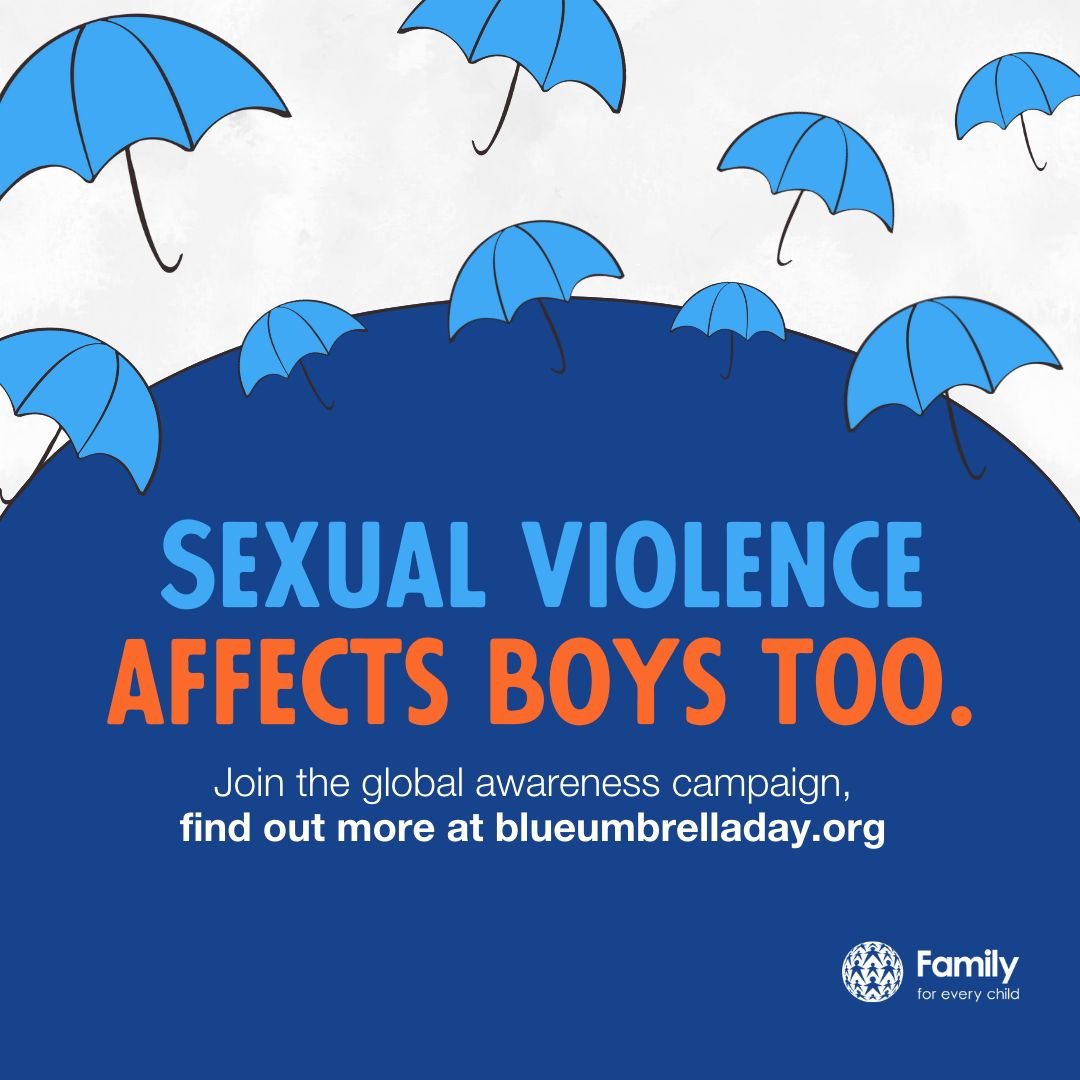
Sexual abuse does not discriminate—but one group is still widely overlooked: men and boys. According to RAINN, at least one in six men experienced sexual abuse before the age of 18. Yet for survivors who already live in a culture that equates masculinity with invulnerability, the effects of that abuse become silently internalized—and they ripple across every dimension of life.
Why Male Survivors Are Overlooked
Cultural beliefs about masculinity—strength, stoicism, dominance—make many men feel they should not be victims. RAINN notes that male survivors often wrestle with questions like, “Should I have fought back?” or “Does this mean I’m less of a man?” Physiological responses such as erection or ejaculation during assault cause confusion and shame. A man can be raped, assaulted, and violated—and because his body responded in a way his mind didn’t want, he may blame himself. That self-blame breeds silence. Consequently, reporting rates are far lower for male victims, many of whom remain invisible—not because their trauma is less severe, but because it’s less acknowledged.
The Psychological, Physical, and Relational Impacts
Survivors—regardless of gender—face long-term effects: PTSD, depression, anxiety, substance abuse, and suicidality. RAINN confirms that male survivors are more likely than other men to experience these outcomes. These wounds can manifest in substance abuse or addiction as a form of numbing, anger and emotional withdrawal as a defense mechanism, hypersexuality or avoidance of intimacy as an expression of fear, and chronic health issues such as insomnia and high blood pressure. Tragically, many male survivors never connect these struggles to their abuse, because no one ever told them it was trauma.
When Relationships Bear the Weight
A man who was sexually abused as a child often internalizes trust issues, shame, and fear that later distort his adult relationships. Some survivors turn to infidelity or promiscuity, using sex as a way to regain power, test their desirability, or avoid emotional attachment. They may believe that because they were “tainted,” genuine intimacy is out of reach, so they substitute connection with control. Others swing to the opposite extreme—sexual avoidance and emotional detachment. Intimacy feels unsafe because the body remembers what the mind tries to forget. In both cases, partners may interpret the behavior as rejection or disinterest, when it’s actually fear.
Trust is another casualty. Survivors may sabotage relationships to avoid vulnerability, convinced that love will inevitably lead to betrayal. Some unconsciously repeat patterns of abuse—either by seeking partners who dominate them or by exerting control themselves. A man who was once powerless may grasp for dominance as a way to feel secure, or he may repeatedly enter relationships that replicate his trauma because pain feels familiar.
Why the Silence Matters
These dynamics don’t exist in isolation. They shape families, parenting, and communities. Partners of male survivors often feel confused, hurt, or blamed, while children may inherit emotional distance or unhealthy views of intimacy. Society’s silence ensures that these patterns are passed down rather than healed. When male survivors carry unspoken trauma, everyone around them feels the weight.
Undoing the Cycle: What Healing Looks Like
Healing begins with truth—naming the abuse and rejecting shame. It continues with trauma-informed therapy, community support, and self-education. Survivors must learn that a physical reaction during assault does not mean consent or complicity; it is a physiological response, not consent. Rebuilding self-trust and redefining masculinity are key. Strength is not silence—strength is surviving, seeking help, and refusing to let the past define your worth.
A Call to Change the Conversation
Male survivors must be seen, heard, and believed—not as anomalies but as part of the broader truth about sexual violence. Institutions, service providers, and media must dismantle stigma and make space for men to speak. Ignoring male sexual abuse doesn’t protect men; it protects perpetrators. Healing men heals families, and healing families heals society.
A Message to Boys and Men
If you are a man who has experienced sexual abuse, your experience is valid. Your pain deserves acknowledgment. Your healing matters. When you break your silence, you do more than save yourself—you save future generations who look to you for strength. You are not broken for surviving; you are strong for still being here.